Anne Hathaway Says She Was Ninth Choice for The Devil Wears Prada — Fox Asked Another Actress Three Times
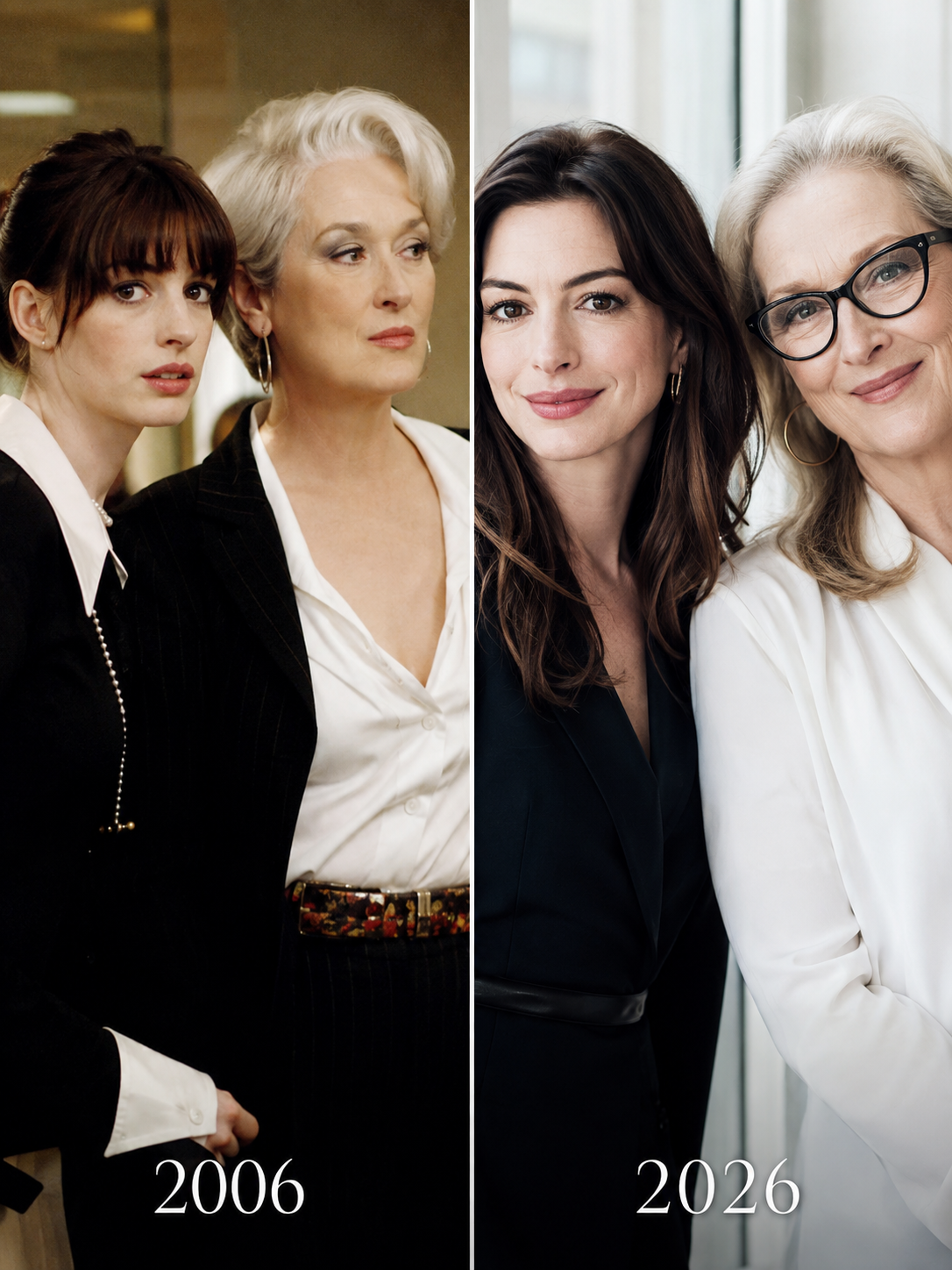
When Anne Hathaway first walks into Runway magazine in The Devil Wears Prada, Andy Sachs looks like someone who has wandered into the wrong movie.
She does not know the designers everyone else worships. She does not understand why Miranda Priestly’s approval can send an entire office into panic. And beside Meryl Streep’s icy editor-in-chief, Hathaway’s Andy seems almost deliberately ordinary.
That contrast became the heart of the 2006 film.
Today, it is difficult to imagine anyone else being dismissed over cerulean sweaters, running across Manhattan with coffee, or slowly transforming into the polished assistant who finally understands the world she once mocked.
But Hathaway was not the studio’s first choice.
She was not even second.
Hathaway later said she believed she was ninth on the list.
And the actress Fox wanted most badly enough to approach three separate times was Rachel McAdams.
Hathaway Wanted Andy More Than the Studio Wanted Hathaway
By the mid-2000s, Hathaway was already recognizable.
The Princess Diaries had made her famous, and she had begun moving into more adult roles. But that did not automatically make her the obvious choice to lead a sharp fashion-industry comedy opposite Meryl Streep.
Hathaway, however, was convinced.
She wanted Andy Sachs.
The character gave her a chance to play someone very different from the fairy-tale image audiences associated with her. Andy begins the movie dismissive of fashion and desperate simply to get a serious journalism job. Working for Miranda becomes an uncomfortable education in ambition, compromise and what success can cost.
Hathaway saw the opportunity clearly.
The studio was less certain about her.
So instead of waiting for the role to come to her, she campaigned.
She met with executives and made the case for why she should play Andy. She later recalled having to push hard enough that the casting process stayed with her long after the film became a hit.
Meanwhile, Fox was chasing someone else.
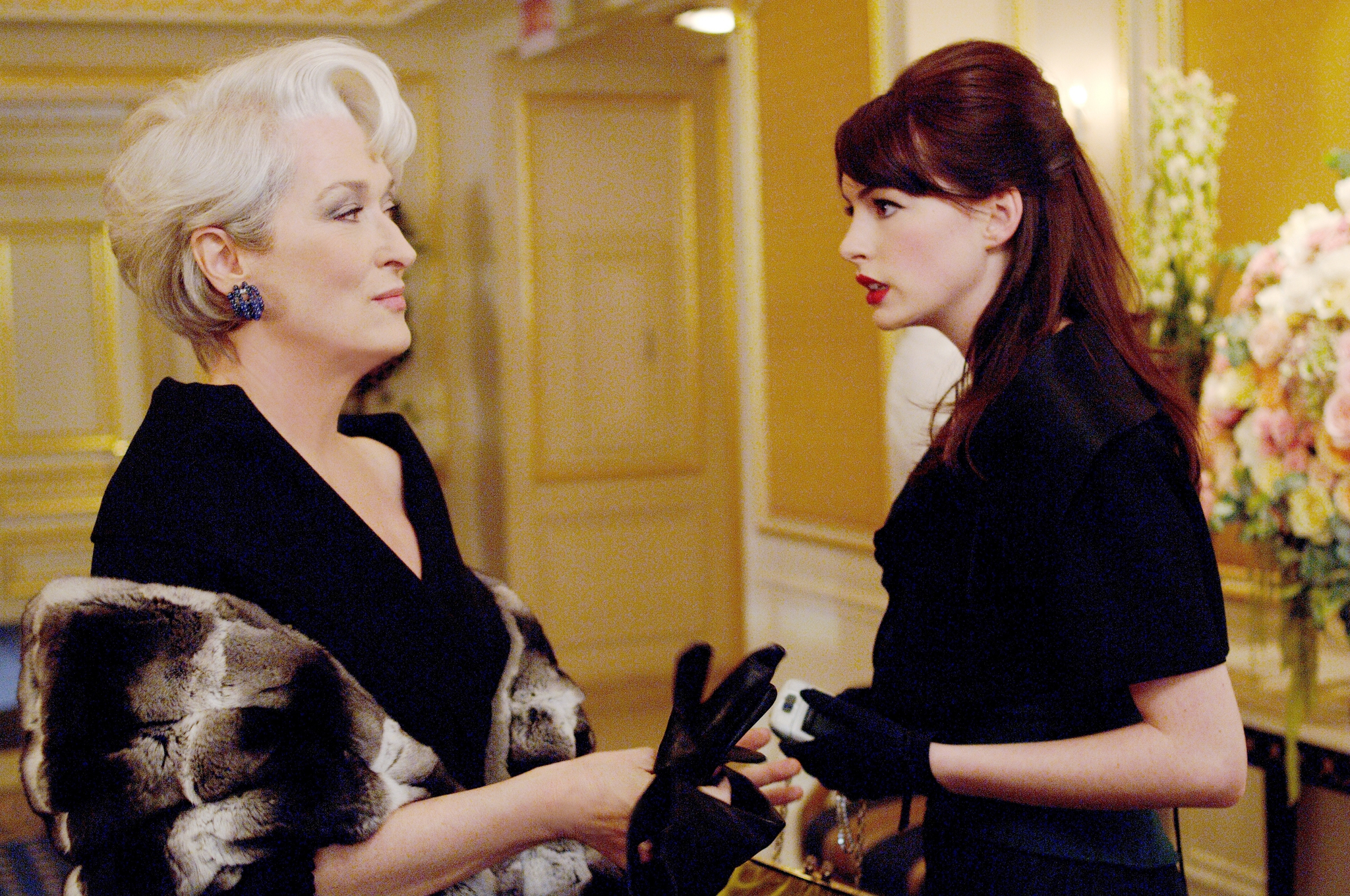
Rachel McAdams Was the Actress Fox Kept Coming Back To
Director David Frankel later described the studio’s preference very clearly.
Fox wanted Rachel McAdams.
At the time, the choice made obvious Hollywood sense. McAdams had just come off a remarkable run that included Mean Girls, The Notebook and Wedding Crashers. She was young, recognizable and already proven as a major screen presence.
The studio reportedly offered her Andy Sachs three times.
She turned the role down each time.
McAdams was not simply one name floating around an early casting discussion. She was the actress Fox repeatedly tried to land.
And she was not the only major name considered.
Natalie Portman, Scarlett Johansson, Kate Hudson and Kirsten Dunst were among the actresses associated with the search for Andy.
That helps explain Hathaway’s later description of herself as ninth choice.
She was fighting her way into a role that, from the studio’s perspective, had many more obvious candidates ahead of her.
Fox Asked McAdams Three Times — and She Still Said No
That is the answer to the central question:
Rachel McAdams was the actress Fox pursued so aggressively that the studio reportedly asked her three times to play Andy Sachs.
She declined all three approaches.
The repeated refusals changed the casting landscape.
Every no from an actress above Hathaway on the list gave Hathaway another opening, but she still needed the filmmakers to believe she could carry the movie.
She did not treat the process passively.
Hathaway later joked about how determined she had been, but beneath the humor was a real campaign. She wanted executives to understand that she was not simply willing to take the part if everyone else passed.
She actively believed she was right for it.
Eventually, the resistance gave way.
Hathaway got Andy.
And the supposed ninth choice began making the role very difficult to imagine in anyone else’s hands.
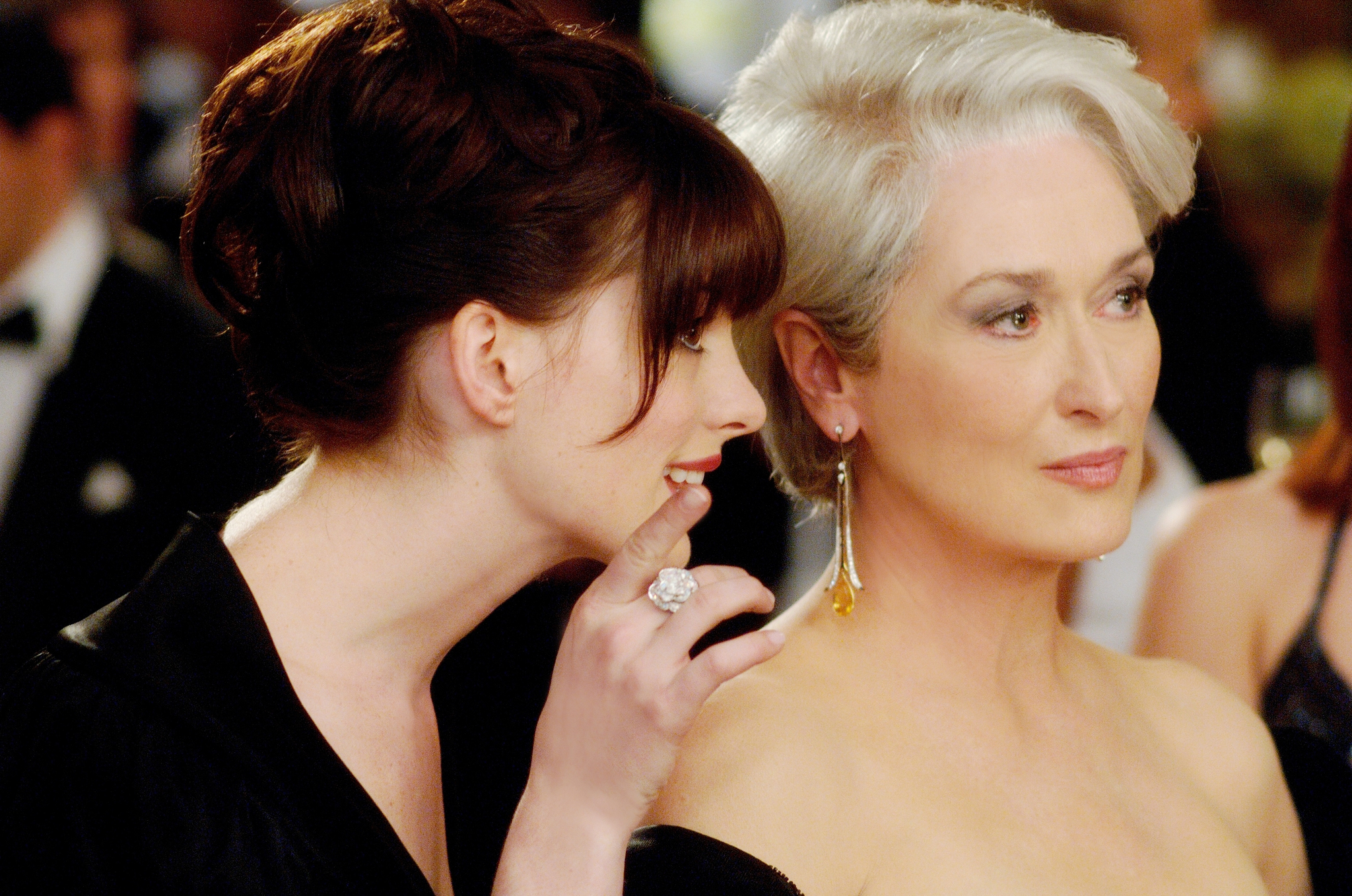
Andy Needed Someone Who Could Look Like an Outsider
In hindsight, Hathaway’s casting had one major advantage.
She could plausibly enter Runway looking intimidated and unimpressed at the same time.
Andy is not supposed to arrive as someone audiences believe belongs in high fashion. Her early clothes matter because the movie needs to establish just how disconnected she is from the environment Miranda controls.
That makes her transformation more satisfying.
When Nigel, played by Stanley Tucci, finally helps remake Andy’s wardrobe, the shift works because Hathaway has already convinced the audience that Andy barely understands why any of it matters.
She can play both versions.
There is the young woman who laughs at the seriousness of a room full of fashion professionals.
Then there is the assistant who learns how powerful that world can be and begins enjoying the access it gives her.
The movie depends on both.
Casting someone who arrived with too much obvious fashion-world polish might have changed that balance.
Meryl Streep Gave Hathaway the Perfect Person to Push Against
Of course, Andy only works because Miranda works.
Streep’s performance became one of the defining movie characters of the 2000s precisely because she refused to play Miranda as a loud, conventional tyrant.
She rarely needs to raise her voice.
Her disappointment is enough.
That gives Hathaway something unusual to react to. Andy begins by thinking Miranda’s demands are absurd, but she gradually learns that the woman across the desk has enormous intelligence, discipline and influence.
Their relationship becomes much more complicated than employee versus terrible boss.
Andy admires Miranda even as she begins recognizing the personal cost of becoming more like her.
That dynamic required Hathaway to remain emotionally accessible while the movie pulled her deeper into Miranda’s world.
The actress the studio had not initially prioritized proved able to do exactly that.
The Role Changed Hathaway’s Career
When The Devil Wears Prada opened in 2006, it became a major hit and quickly established a cultural life far beyond its original theatrical run.
Lines from the movie became endlessly quoted.
Miranda became an icon.
Andy’s wardrobe transformation became one of the era’s most memorable movie makeovers.
And Hathaway moved further away from being defined primarily by The Princess Diaries.
The role demonstrated that she could anchor a sophisticated studio comedy while holding her own opposite one of the most celebrated actors in the business.
That outcome gives her “ninth choice” story its payoff.
The casting hierarchy that mattered so much before production became almost irrelevant once audiences saw the finished film.
Nobody watching Andy race into the office with Miranda’s coffee knew or cared how many actresses had once been ahead of Hathaway.
They simply saw Andy Sachs.
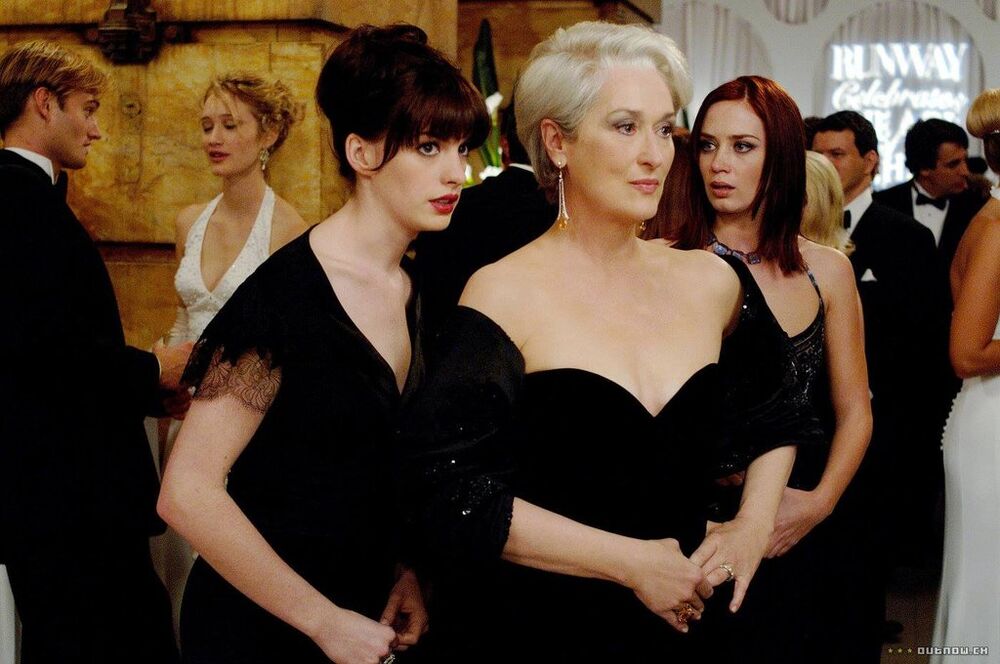
Being Ninth Choice Became Part of the Movie’s Best Casting Story
Hollywood history is full of roles that went to actors only after someone else said no.
What makes Hathaway’s story especially satisfying is how openly she wanted the part while the studio kept looking elsewhere.
She was not the reluctant backup who happened to be available.
She was the person pushing from lower on the list, convinced she could do something with Andy that decision-makers had not yet seen.
Rachel McAdams had to say no three times before Fox finally moved on from its preferred choice.
Other major actresses had also been considered.
Then Hathaway got her opportunity.
Nearly two decades later, that original ranking feels almost absurd.
The actress who says she was ninth on the list became permanently attached to Andy Sachs, just as Meryl Streep became inseparable from Miranda Priestly.
In a movie about a young woman fighting to prove she belongs in a room that initially underestimates her, the casting story now feels unexpectedly appropriate.
Anne Hathaway had to convince Hollywood to see her as Andy before audiences ever watched Andy do the same thing at Runway.