Patrick Clancy Reveals the Question He Asked Lindsay After Their Children’s Deaths — and the Answer He Still Carries With Him
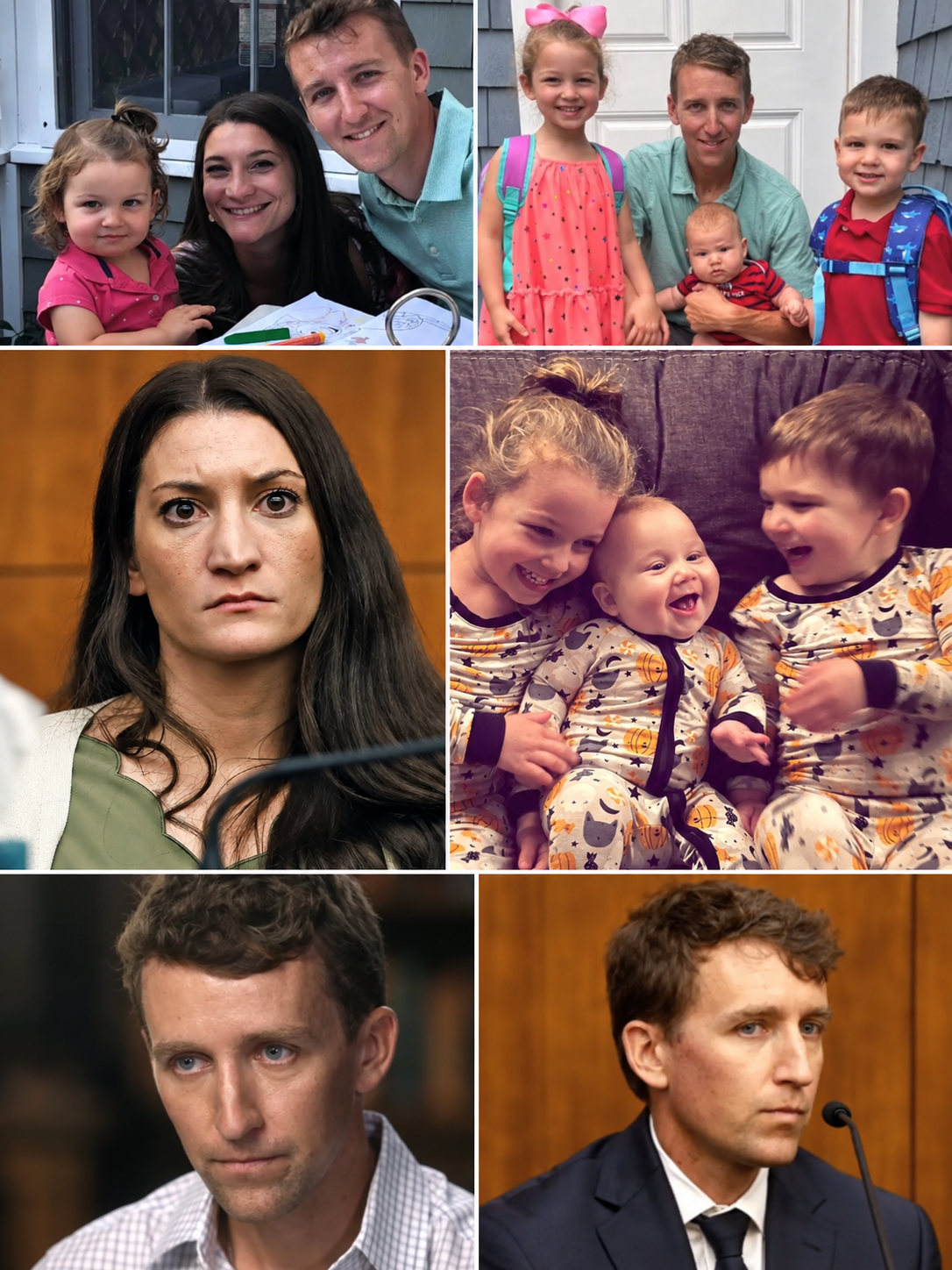
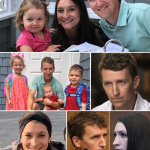
More than three years after losing all three of his children, Patrick Clancy is revealing one of the most difficult conversations he ever had with his former wife, Lindsay Clancy.
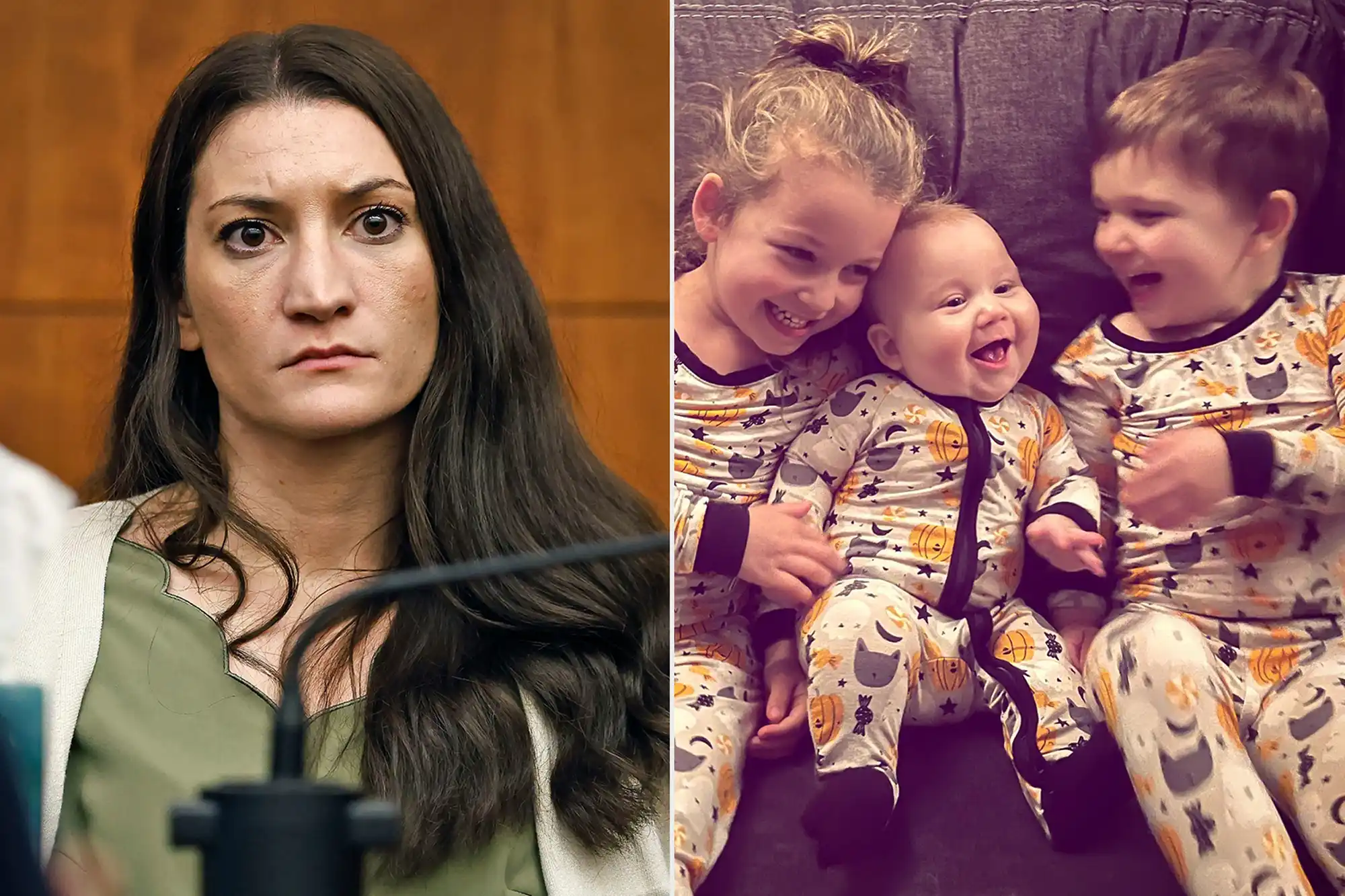
At some point after the deaths of 5-year-old Cora, 3-year-old Dawson and 8-month-old Callan, Patrick asked Lindsay a question that had been hanging over him since Jan. 24, 2023.
He did not ask her to explain why she had done it.
Instead, he asked whether she remembered.
According to Patrick, Lindsay told him the memory felt “like a dream” — something she could recall only in the fragmented way a person might remember a dream after waking.
The exchange has become one of the most personal details Patrick has shared publicly since Lindsay’s murder trial ended in a mistrial earlier this month.
For Patrick, the answer did not resolve the legal questions surrounding the case.
But it reinforced what he says he has believed from the beginning: that severe mental illness, rather than malice, was responsible for the deaths of their children.
The Night Everything Changed
The Clancy family was living in Duxbury, Massachusetts, when the tragedy unfolded on Jan. 24, 2023.
Patrick had left the house briefly after Lindsay asked him to pick up medication and dinner.
When he returned, he found Lindsay outside the home after she had jumped from a second-story window.
Inside, he discovered Cora and Dawson unresponsive.
Callan still had a heartbeat and was rushed to a hospital.
Patrick later described clinging to the possibility that his youngest child might survive.
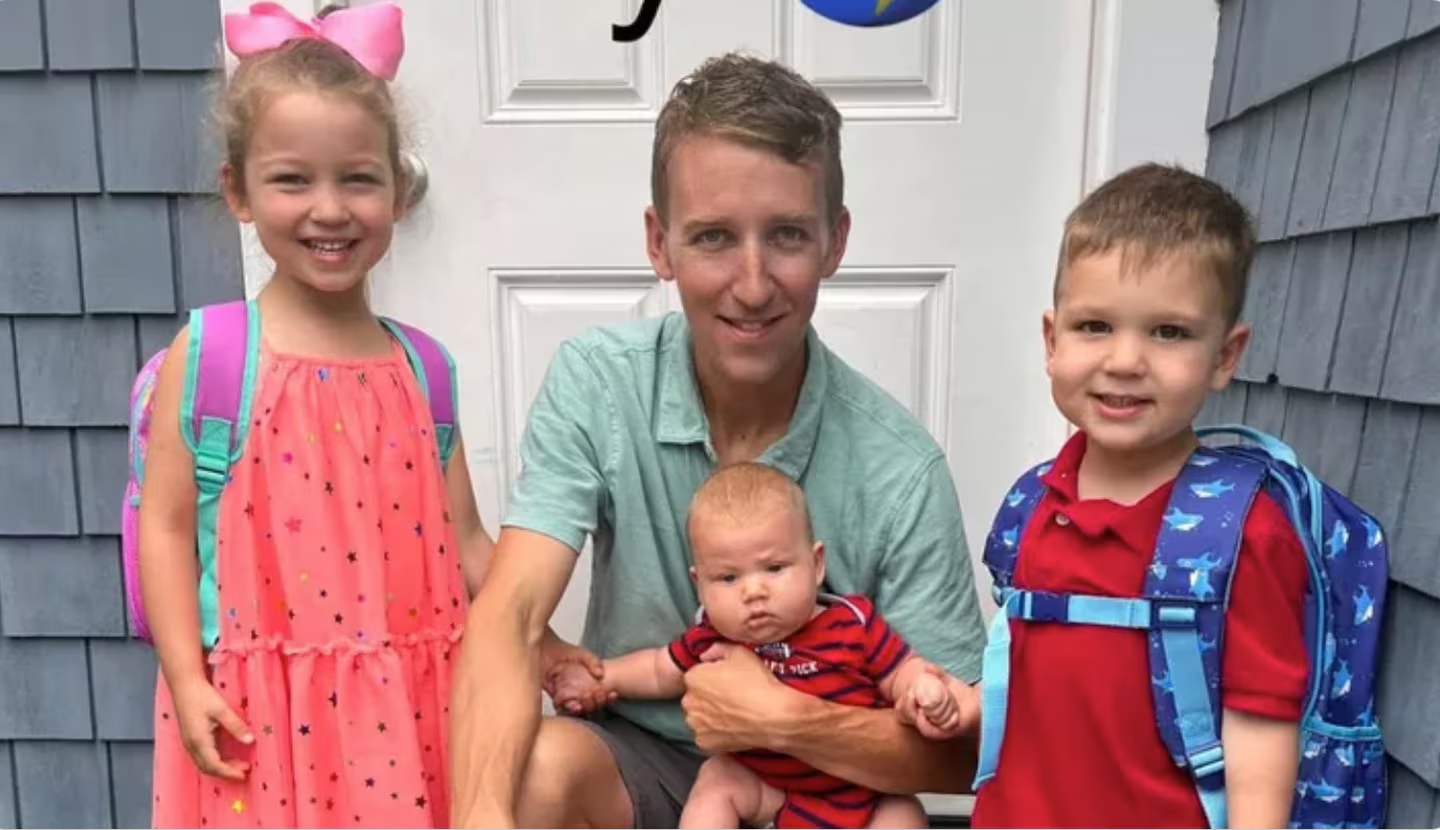
He imagined raising Callan and making sure the boy grew up knowing everything about his older brother and sister.
Instead, Callan died four days later.
Patrick was holding him when he passed.
That moment, and the hours before it, became the dividing line in Patrick’s life.
Everything afterward would be measured against what came before.
Lindsay’s Mental Health Became the Central Issue
There was never a dispute during Lindsay’s trial over whether she caused the children’s deaths.
The central question was whether she was legally criminally responsible at the time.
Her defense argued that she was suffering from severe postpartum psychosis and was unable to understand the wrongfulness of her actions.
Prosecutors argued that her conduct showed planning, awareness and intent.
Evidence presented during the trial showed that Lindsay had experienced worsening anxiety, insomnia, intrusive thoughts and depression in the months before the killings.
She sought help from multiple medical providers, made repeated emergency visits and spent several days receiving inpatient psychiatric treatment shortly before the tragedy.
Patrick has said he first realized something was seriously wrong in the fall of 2022, when Lindsay began going entire nights without sleeping.
At the time, he believed rest and medical care would help.
Looking back, he says he did not understand the severity of the illness the family was facing.
‘She Said It Was Like a Dream’
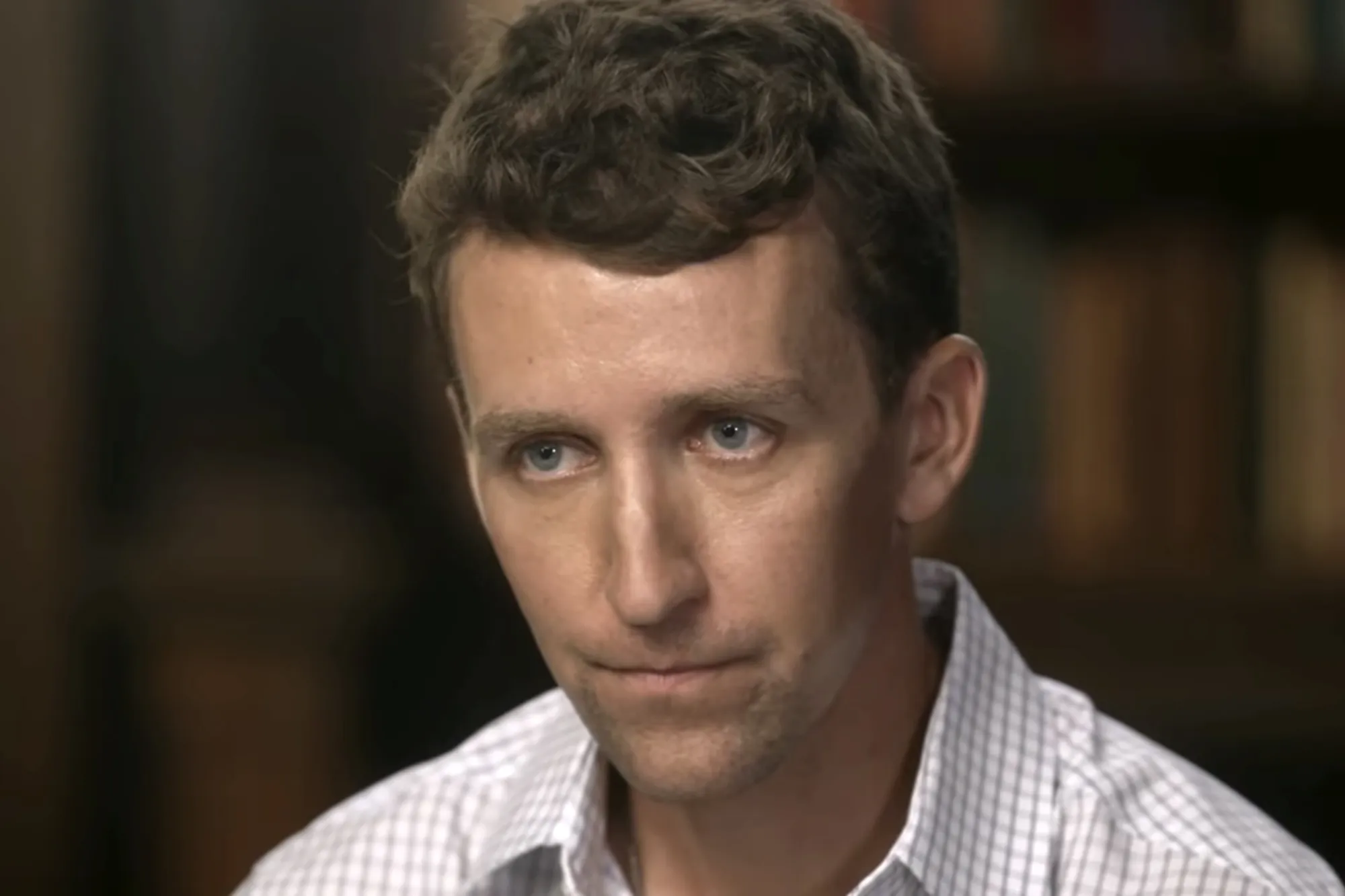
In his first major televised interview after the mistrial, Patrick described the later conversation with Lindsay.
Asked whether he had ever questioned her about what happened, Patrick said he asked whether she remembered the killings.
Her answer was that the experience felt like a dream.
That description is not a legal or medical determination.
It is Lindsay’s account of her own memory, relayed by Patrick.
The jury still had to decide independently whether her mental state met Massachusetts’ legal standard for lack of criminal responsibility.
Eleven jurors ultimately concluded that it did.
One juror disagreed.
After seven days of deliberations, Judge William Sullivan declared a mistrial on Sept. 4.
Patrick Says Lindsay Never Asked Him for Forgiveness
Patrick has also revealed another striking detail.
Lindsay never asked him to forgive her.
He says he forgave her anyway.
That decision first became public only days after the children died, when Patrick issued a statement asking others to forgive Lindsay as he had.
Years later, he says his reasoning has not changed.
Patrick believes hatred would have consumed him if he had allowed it to define the rest of his life.
He has repeatedly said he does not view Lindsay as a monster.
Instead, he believes the person he knew as his wife and the mother of his children became overwhelmed by serious psychiatric illness.
That remains Patrick’s personal belief.
The criminal court has not reached a final judgment on Lindsay’s legal responsibility.
The Jury Came Within One Vote of an Insanity Verdict
Lindsay’s trial lasted several weeks and became one of the most closely watched criminal proceedings in the country.
After hearing extensive psychiatric testimony, medical records and evidence about Lindsay’s actions before and after the killings, jurors began deliberating.
By the end, 11 members supported finding her not criminally responsible.
Michael Desronvil was the lone holdout.
Desronvil later said publicly that he had “no doubts” that Lindsay understood what she was doing and should be held responsible.
Because a criminal verdict must be unanimous, the disagreement resulted in a mistrial rather than an acquittal or conviction.
Lindsay therefore remains charged with the murders.
Prosecutors Have Not Yet Decided on a Retrial
The mistrial did not end the criminal case.
A new hearing is scheduled for Sept. 29, when the next steps are expected to become clearer.
Prosecutors could seek a second trial.
The parties could also explore a negotiated resolution, though no agreement has been announced.
For now, Lindsay remains in psychiatric care while the charges remain pending.
If a future jury found her not guilty by reason of lack of criminal responsibility, that would not necessarily mean immediate release.
She could remain committed to a secure psychiatric facility subject to continuing court review.
A murder conviction, by contrast, could expose her to life imprisonment.
Patrick’s Grief Nearly Consumed Him
For Patrick, the legal process has unfolded alongside a private struggle to survive.
He has said there was a period after the children’s deaths when he did not expect to live to see his 35th birthday.
He eventually moved away from Duxbury because everyday places became unbearable reminders of Cora, Dawson and Callan.
In New York City, he found a strange kind of relief in anonymity.
He could cry in public and continue walking without being recognized.
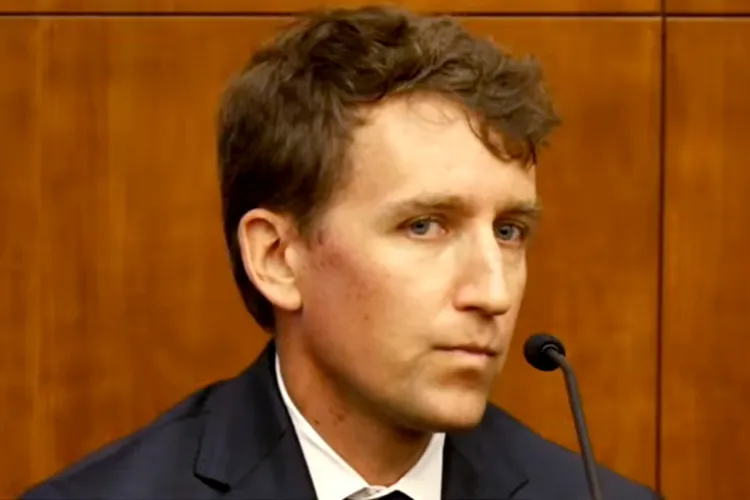
During Lindsay’s trial, Patrick returned to Massachusetts to testify.
The emotional strain became so intense that he suffered a panic attack and required medical attention.
He did not return to the witness stand afterward.
He Still Talks to His Children
Patrick says grief has changed form but has not disappeared.
He still talks to Cora, Dawson and Callan.
Sometimes he asks them for help.
He has described vivid dreams in which they feel completely present again.
Those moments allow him to maintain what he sees as an ongoing relationship with them.
He has also preserved their belongings.
A favorite stuffed animal.
A photograph.
A battered toy helicopter.
And in Duxbury, a memorial playground was built with details representing each child.
Patrick says he wants people to remember who his children were, not only what happened to them.
A New Family, Without Replacing the Old One
Patrick has since remarried Dr. Rachel Danis, whom he met after moving to New York.
The couple married earlier this year and are now expecting a child together.
Patrick has made clear that starting a new family does not mean moving on from Cora, Dawson and Callan.
Future children, he says, will grow up knowing about their siblings.
Rachel has publicly supported that approach, saying the memory of Patrick’s children will remain part of their home.
One Answer That Still Echoes
The legal system may eventually decide whether Lindsay Clancy was criminally responsible for the deaths of her children.
Patrick’s question to Lindsay was different.
He was not asking for a legal defense.
He was asking whether she remembered what had happened.
Her answer — that it felt like a dream — did not erase his grief or explain every detail of that night.
But it became another piece of how Patrick understands a tragedy he says cannot be separated from severe mental illness.
More than three years later, the criminal case remains unfinished.
Patrick’s life has continued.
But the conversation, like so much else about Jan. 24, 2023, remains with him.